| QuickStop Tire
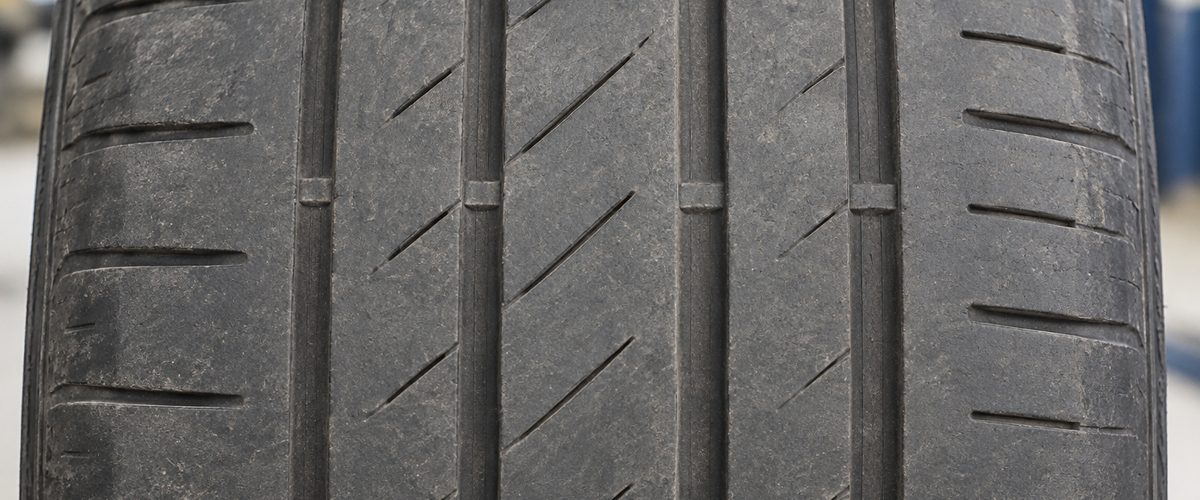
Worn or damaged tires hurt your vehicle's handling and braking, especially in Ottawa's wet, slushy and snowy conditions. These are the warning signs that it's time for new tires.
Tread Depth Indicators
The most important factor in deciding when to replace tires is tread depth. Transport Canada says a tire must be replaced when its tread is worn down to the built-in wear bars, at 1.5 mm (2/32"). For the best grip in rain and snow, replace tires before they reach that point.
The Toonie Test
One of the easiest ways to check tread depth is the toonie test: push a toonie into the tread at the most worn spot with the polar bear facing up (paws toward the tread). If the tread covers the silver outer ring completely, the tire is roughly half worn; if the tread only reaches about halfway up the lower letters on the silver ring, it's time to replace the tire.
Visible Wear Indicators
Modern tires have built-in wear indicators (TWI - Tread Wear Indicators) that appear as raised bars across the tread grooves. When these bars become flush with the tread surface, the tire has reached its minimum safe depth and should be replaced immediately. These indicators are located at multiple points around the tire circumference.
Uneven Wear Patterns
Uneven wear can indicate various problems and may require tire replacement:
- Centre Wear: Overinflation causes excessive wear in the centre of the tread
- Edge Wear: Underinflation causes wear on both outer edges
- One-Side Wear: Alignment issues cause wear on one side of the tire
- Cupping or Scalloping: Irregular wear patterns indicating suspension or balance problems
Cracks and Dry Rot
Age-related deterioration can cause tires to develop cracks in the sidewall or tread area. This dry rot occurs due to exposure to UV rays, ozone, and extreme temperature changes. If you notice small cracks or the rubber appears brittle, the tire's structural integrity may be compromised and replacement is necessary.
Bulges and Blisters
Bulges or blisters on the tire sidewall indicate internal damage to the tire's structure. These can be caused by impact damage, manufacturing defects, or internal separation. Any visible bulge or blister is a serious safety concern and requires immediate tire replacement.
Age-Related Replacement
Rubber ages even when the tread looks fine. Check the tire's DOT code on the sidewall to find its manufacturing date (the last four digits give the week and year), and have older tires checked for cracks or other signs of ageing.
Performance Issues
Noticeable changes in your vehicle's performance can indicate tire problems:
- Poor Traction: Slipping or sliding in wet conditions
- Vibration: Steering wheel or seat vibration at highway speeds
- Noise: Excessive road noise or humming sounds
- Handling Issues: Vehicle pulling to one side or poor cornering
Frequent Pressure Loss
If you find yourself adding air to your tires more often than usual, it could indicate a slow leak or structural damage. Some pressure loss is normal, but frequent or rapid loss needs an inspection: a puncture may be repairable, while other damage means replacing the tire.
Impact Damage
Hitting potholes, curbs, or road debris can cause internal damage that's not immediately visible. If you've experienced a significant impact, have your tires inspected by a professional. Internal damage can lead to sudden tire failure, especially dangerous at high speeds.
Seasonal Considerations for Ottawa
Ottawa's winters make tire condition even more important. Transport Canada advises not to use tires worn close to 4 mm (5/32") on snow-covered roads, and recommends winter tires in sets of four. Summer tires should have enough tread to handle spring and fall rain.
Professional Inspection
At QuickStop Tire Ottawa, we can assess your tires' condition, explain any problems we find, and recommend when to replace them.
Don't wait for a tire to fail. If you're unsure whether a tire is safe, have it checked before you keep driving on it.
Sources: Transport Canada: Riding on Air; Transport Canada: Using winter tires; The Globe and Mail: the toonie tread test.
Author

Tire and auto service shop at 8 Cedarow Ct, Stittsville. Questions about your tires? Call 613-800-8854.