| QuickStop Tire
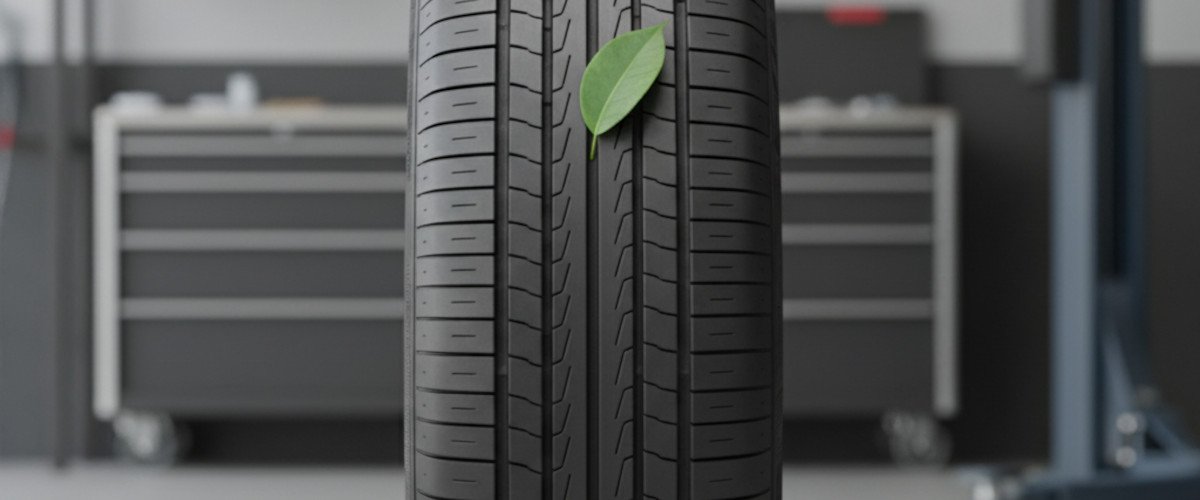
Your tires are the only part of your vehicle that touches the road. Regular care makes them last longer, keeps them safe and helps you avoid costly repairs. These are the basic checks every driver should know.
Regular Tire Pressure Checks
Use the pressure on your vehicle's tire information label, usually on the edge of the driver's door or the door post, the glove box or the fuel door, not the maximum printed on the tire sidewall. Transport Canada recommends checking all your tires, including the spare, at least once a month when they're cold. Pressure drops about 7 kPa (1 psi) for every 5°C drop in temperature, so check more often as the weather turns cold.
Inspect for Wear and Tear
Once a month, check for uneven wear, cuts, cracks, bulges or embedded objects, as Transport Canada recommends. Tires with deep cuts, cracks or bulges in the sidewall or tread should be replaced. A nail or screw in the tread area can often be repaired; sidewall damage can't. Remove stones from the tread grooves, and watch for cords or belts showing through the rubber.
Tread Depth Testing
Use the toonie test: push a toonie into the tread at the most worn spot with the polar bear facing up (paws toward the tread). If the tread covers the silver outer ring completely, the tire is roughly half worn; if the tread only reaches about halfway up the lower letters on the silver ring, it's time to replace the tire. Transport Canada says a tire must be replaced when its tread reaches the wear bars, at 1.5 mm (2/32"), and advises not to use tires worn close to 4 mm (5/32") on snow-covered roads. Test several spots across the tire width, and use a tread depth gauge for a precise reading. Consider replacing tires in pairs or sets for balanced performance. Our tread depth guide has more detail.
Tire Rotation
Rotate your tires as your owner's manual recommends; Transport Canada notes that common practice is about every 10,000 km. Follow the manufacturer's rotation pattern (front-wheel drive differs from rear-wheel drive). Mark tire positions before rotating so you can track wear. Directional tires can only move front to rear on the same side, and if the front and rear tires are different sizes, they can't be swapped between axles. Inspect the tires at each rotation; our tire rotation guide shows the patterns.
Balance and Alignment
Transport Canada suggests having your wheel alignment checked once a year, or sooner if you notice uneven or rapid wear on the inside or outside edges of a tire, or after a hard hit on a pothole or curb. Signs of an alignment problem include the vehicle pulling to one side and an off-centre steering wheel. If you feel a pounding or shaking through the steering wheel or seat, the wheels may need balancing.
Replacement Timing
How long tires last depends on the tire and how you drive. Rubber also ages, so check the manufacture date in the DOT code on the sidewall and have older tires checked for cracks. When you replace tires, Transport Canada recommends the same size, load capacity and speed rating as the originals, and the same type of tire on all four wheels. On all-wheel-drive vehicles, replace all four at the same time to protect the drivetrain.
Additional Safety Tips
Keep a tire pressure gauge and a portable compressor in your vehicle, learn what your tire pressure monitoring system (TPMS) warning looks like, and know your vehicle's load capacity so you don't exceed it.
At QuickStop Tire Ottawa, we do seasonal tire changes, tire rotations, wheel balancing and tire repairs at our Stittsville shop. See all services and prices.
Sources: Transport Canada: Riding on Air; Transport Canada: Using winter tires; The Globe and Mail: the toonie tread test.
Author

Tire and auto service shop at 8 Cedarow Ct, Stittsville. Questions about your tires? Call 613-800-8854.